
Bảng quảng cáo
Cambodia Bunk Bed, Bavet Bunk Bed
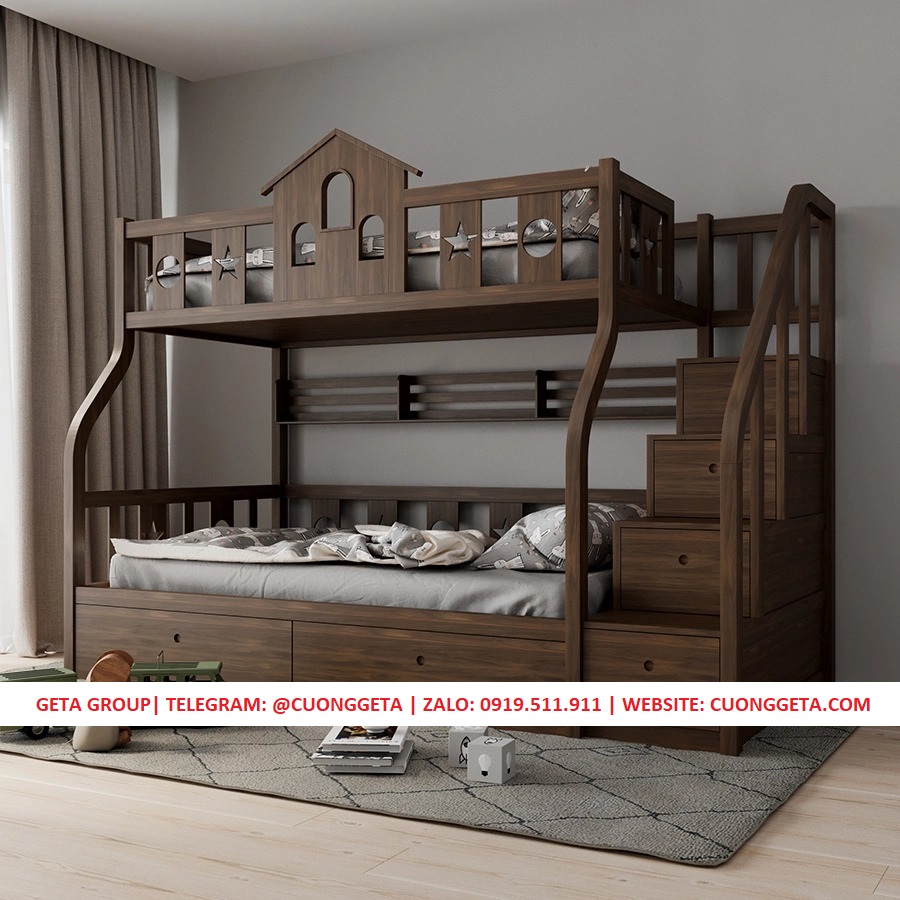
Cambodia bunk beds, Bavet bunk beds – Convenient and economical accommodation solutions for tourists and workers. Important furniture products, especially in areas with high accommodation demand such as Cambodia and the border city of Bavet. This article will provide detailed information about bunk beds in Cambodia and Bavet, the benefits, product features and things to note when choosing and using bunk beds in this area.
Introduction to Cambodian bunk beds
Concept of Cambodian bunk beds
Cambodian bunk beds are beds with two or more stacked floors, often used in accommodation facilities such as hotels, motels, dormitories and workers’ housing areas in Cambodia. Cambodian bunk beds are designed to optimize space usage, allowing multiple people to sleep in the same floor area.
The Role of Cambodian Bunk Beds in the Accommodation Industry
Bunk beds play an important role in the accommodation industry in Cambodia, especially in the context of the country’s rapid growth in tourism and industry. First, bunk beds allow accommodation establishments to optimize space usage, increasing room capacity without expanding the area. This is especially important in large cities such as Phnom Penh and Siem Reap, where land prices are rising. Second, bunk beds help accommodation establishments reduce operating costs. By increasing the number of guests who can stay in one room, costs such as electricity, water, and sanitation are shared among more people, helping to reduce service costs. Bunk beds also play an important role in meeting the needs of the budget travel segment, especially backpackers and students. This type of accommodation allows visitors to stay in central locations at a lower cost than a regular hotel room. In the industrial sector, bunk beds are a popular solution for worker housing. They help businesses accommodate a large number of workers in a limited space, while ensuring basic living conditions for workers. In addition, bunk beds also contribute to creating a unique social environment in accommodation establishments. In hostels and dormitories, bunk beds allow guests and students to interact and make friends, creating memorable travel and learning experiences. Finally, in a context where sustainable tourism is increasingly important, bunk beds contribute to reducing the environmental impact of the accommodation industry. By using space more efficiently, bunk beds reduce the need for new construction, thereby minimizing the use of resources and energy.
Why use bunk beds in Cambodia
Cambodia’s climate and geography
Cambodia is located in Southeast Asia, with a tropical monsoon climate with two distinct seasons: the dry season and the rainy season. These climate and geography have a significant impact on the design and use of bunk beds in this country. Firstly, the high average temperature throughout the year (around 25-35°C) requires bunk beds to be designed to provide maximum ventilation. Many bunk beds in Cambodia use lightweight materials such as aluminum or treated wood, combined with metal mesh or open-plank wood to increase air circulation. Secondly, high humidity, especially during the rainy season (May to October), requires bunk beds to be moisture-resistant. Manufacturers often use moisture-resistant materials and special surface treatments to protect bunk beds from mold and termites. Geographically, Cambodia has many rapidly developing urban areas, especially the capital Phnom Penh and tourist centers such as Siem Reap. In these places, high land prices and construction costs require efficient use of space, making bunk beds an ideal accommodation solution.
Market Demand in Cambodia
The demand for bunk beds in Cambodia is growing, reflecting the development of many industries and services in the country. Firstly, tourism is booming in Cambodia, with international arrivals steadily increasing each year (before COVID-19). This has created a huge demand for affordable accommodation, especially from the backpacker and budget traveler segment. Bunk beds in hostels and budget guesthouses effectively meet this demand. Secondly, the growth of industry, especially the textile and footwear industry, has attracted a large number of workers from rural areas to industrial zones. Businesses and hostel owners need to provide affordable accommodation for large numbers of workers, and bunk beds are a popular solution. 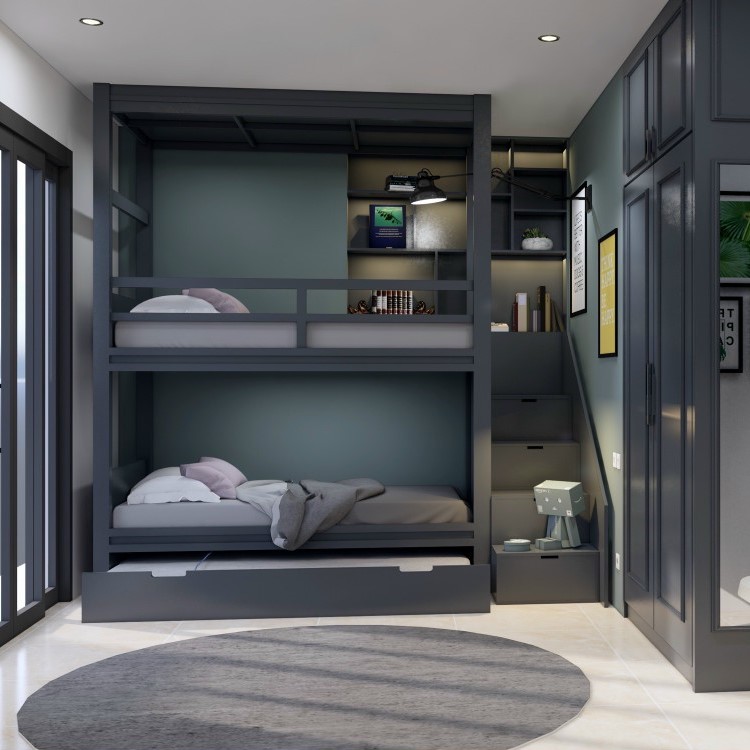
Benefits of Bavet bunk beds
Accommodation status in Bavet
Bavet is a border city located in Svay Rieng Province, Cambodia, bordering Tay Ninh Province, Vietnam. With this strategic location, Bavet has become an important commercial and tourist center, and is also home to many industrial parks. Cambodia Bunk Beds, Bavet Bunk Beds. The accommodation status in Bavet reflects the unique socio-economic characteristics of this city. First, there is a great demand for low-cost accommodation for workers working in industrial parks. Many hostels and dormitories have been built to meet this demand, and bunk beds are often used to maximize the number of people that can fit in a limited space. Secondly, Bavet is a popular stopover for tourists crossing the Vietnam-Cambodia border. Therefore, there are many hotels, motels and hostels catering to the short-term accommodation needs. Among these, budget accommodation establishments often use bunk beds to provide affordable accommodation for tourists. However, the accommodation situation in Bavet also faces some challenges. The quality of facilities at some accommodation is limited, especially in worker dormitories. Hygiene and safety issues are also major concerns, especially in the context of the COVID-19 pandemic. On the other hand, the development of casinos and resorts in Bavet has created a high-end accommodation segment, with luxury hotels and resorts. However, this segment mainly serves tourists and casino players, while the demand for low-cost accommodation still accounts for the majority of the market.
Demand for bunk beds in Bavet
The demand for bunk beds in Bavet is diverse and reflects the socio-economic characteristics of this city. First, there is a large demand from industrial zones. With a large number of workers coming from other provinces to work, landlords and businesses need accommodation solutions that are space- and cost-effective. Bunk beds allow them to maximize the number of people who can stay in a given area, while reducing construction and operating costs. Second, hostels and cheap guesthouses in Bavet also have a high demand for bunk beds. These accommodation establishments mainly serve backpackers, short-term business travelers or people in transit across borders. Bunk beds allow them to provide affordable accommodation while creating a friendly social environment for guests. In addition, with the growth of the casino industry in Bavet, there is a particular need for affordable accommodation for casino staff and related services. Many companies choose to provide communal accommodation for their employees, and bunk beds are a popular solution in this case. Bunk Beds Cambodia, Bunk Beds Bavet. An emerging trend is the need for co-living and co-working spaces. With its strategic location near the border, Bavet is attracting a small but growing number of freelancers and digital nomads. Co-living and co-working spaces often use bunk beds to optimize space and create a communal environment. Finally, educational institutions in Bavet, including vocational training centers, also have a need for bunk beds for student dormitories. This is especially important as many students from rural areas come to Bavet to study and train. Cambodia Bunk Beds, Bavet Bunk Beds.
Comparison of Cambodia Bunk Beds and Bavet Bunk Beds
General Features
Cambodia Bunk Beds and Bavet Bunk Beds have many features in common, reflecting similar needs and usage conditions throughout the country. First, both types of bunk beds are designed to optimize space usage. They usually have two or three levels, allowing multiple people to sleep on the same floor area. Second, both Cambodia Bunk Beds and Bavet Bunk Beds are built to suit tropical climates. They often use lightweight materials such as aluminum or treated wood, combined with a breathable design to ensure user comfort in high temperature and humidity conditions. Structurally, both types of bunk beds have sturdy frames, usually made of metal or hardwood to ensure durability and safety. They are also often equipped with ladders or steps to make it easy to get up and down between bunks. Cambodian Bunk Beds, Bavet Bunk Beds. Both Cambodian bunk beds and Bavet bunk beds often have safety features such as guardrails on the upper bunks to prevent falls. Many models also incorporate additional features such as storage drawers, shelves, or electrical outlets for each bunk. In terms of price, both types of bunk beds are designed to meet the needs of the low- and mid-range market. This reflects the demand mainly from hostels, workers’ dormitories, and student dormitories. Cambodian Bunk Beds, Bavet Bunk Beds.
Differences
Despite many similarities, Cambodian bunk beds and Bavet bunk beds also have some notable differences. First, Cambodian bunk beds tend to be more varied in design and size. Catering to a wider market, including major cities and tourist areas, Cambodian bunk beds come in a wide range of options from basic to high-end models, with sizes ranging from single to double or even queen size on the lower bunk. Meanwhile, Bavet bunk beds tend to focus on more basic and affordable models, reflecting demand primarily from workers and budget travelers. The most popular size is a single bed for all bunks, optimizing the number of people who can fit in one space. Cambodian Bunk Beds, Bavet Bunk Beds. 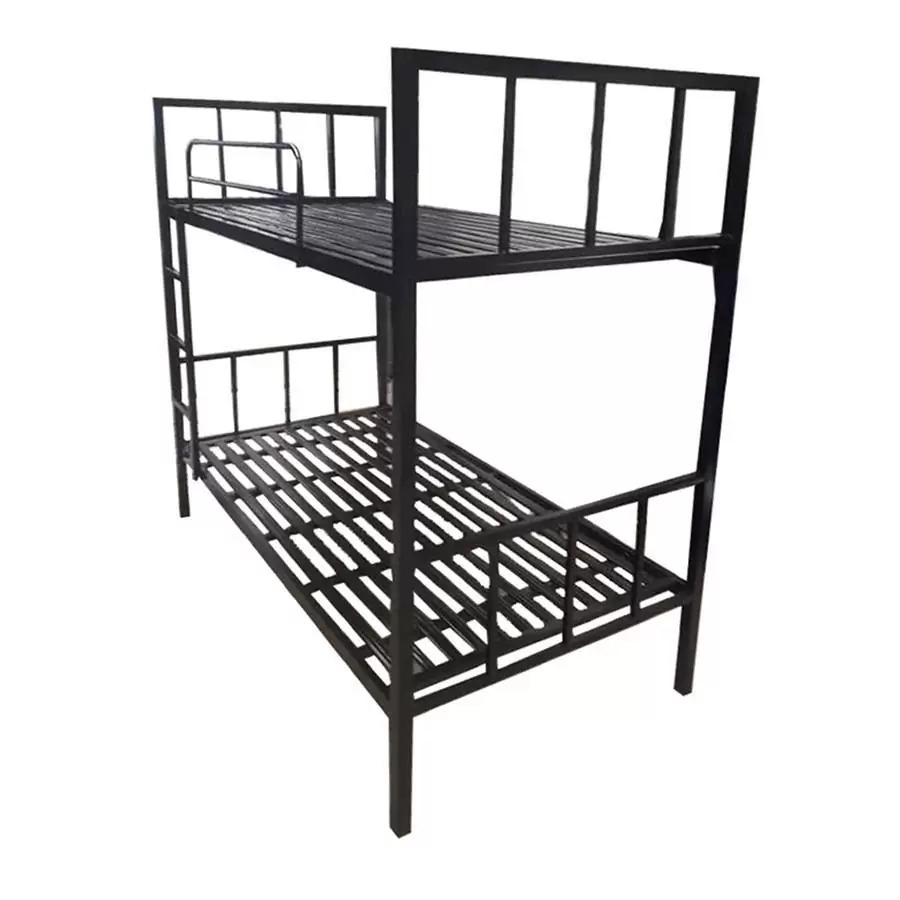
Choosing and using bunk beds in Cambodia and Bavet
Selection criteria
When choosing bunk beds in Cambodia and Bavet, there are a number of important criteria to consider:
- Durability and quality: This is the top factor, especially in humid tropical climates. You should choose bunk beds made from high-quality materials that are resistant to moisture and termites.
- Safety: Bunk beds need to have a sturdy structure, safety bars on the upper bunk, and a sturdy ladder. Make sure the bed meets international safety standards.
- Size: Consider the size of the room and the number of users to choose the right size bunk bed. In Bavet, single beds are often the popular choice, while in Cambodia’s larger cities, bunk beds with a wider lower bunk may be considered.
- Additional features: Depending on your needs, bunk beds can be fitted with features such as storage drawers, built-in desks, or built-in electrical outlets.
- Removability: Especially important in Bavet, where many workers move around. Choose a bunk bed that is easy to disassemble and move.
- Price: Consider your budget and choose a bunk bed that is affordable, but don’t sacrifice quality and safety to save money.
- Aesthetics: Although not the most important factor, choose a bunk bed that is designed to fit the overall space of the room.
- Load capacity: Make sure that the bunk bed has a load capacity suitable for the number and weight of users.
- Breathability: In the hot and humid climate of Cambodia and Bavet, choose a bunk bed with a breathable design to ensure user comfort.
- After-sales service: Choose to buy from suppliers with good warranty and after-sales support.
Instructions for use and maintenance
To use and maintain bunk beds effectively in Cambodia and Bavet, it is important to note the following points: after:
- Proper Installation: Make sure the bunk bed is installed firmly, level, and according to the manufacturer’s instructions.
- Periodic Inspection: Regularly check the joints, bolts, and screws to make sure they are not loose.
- Regular Cleaning: Due to the hot and humid climate, bunk beds need to be cleaned regularly to prevent mold and insects. Use a damp cloth to clean and ensure the bed is dry.
- Protect from moisture: Use moisture-proof products such as desiccant bags or a dehumidifier in the room to protect the bunk bed.
- Use the right mattress: Choose a mattress of the right size and good quality to increase the life of the bed and ensure comfort for the user.
- Avoid overloading: Do not use the bunk bed beyond the specified load capacity.
- Instructions for use: For accommodation facilities, there should be instructions for guests on how to safely use bunk beds.
- Regular maintenance: Perform regular maintenance, including tightening joints and checking the general condition of the bed.
- Handle damage promptly: If any signs of damage are detected, repair or replace immediately to ensure safety.
- Good ventilation: Make sure the room with bunk beds is well ventilated to reduce moisture and prevent odors.
- Use protective products: For wooden bunk beds, wood protection products can be used to increase longevity and prevent termites.
- Avoid direct sunlight: If possible, avoid placing bunk beds in direct sunlight to prevent fading and damage to the material.
By following these guidelines, users can ensure that their bunk beds remain in good condition and safe for a long time, especially in the specific climatic and environmental conditions of Cambodia and Bavet.
Conclusion
Cambodia bunk beds and Bavet bunk beds play an important role in the accommodation and housing industry in this region. They are not only a space-saving and cost-effective solution, but also meet the diverse needs of a wide range of customers, from budget travelers to workers and students.
Geta group:
Introduction Website: cuonggeta.com Zalo: 0919.511.911 Tele: @cuonggeta2


