
Bảng quảng cáo
Cambodia Prefabricated House, Bavet Prefabricated House

Cambodia prefabricated houses, Bavet prefabricated houses. Modern and flexible housing solutions, especially suitable for the rapidly developing needs of urban and industrial areas such as Cambodia and Bavet. This article will provide detailed information about prefabricated houses in Cambodia and Bavet, the benefits, construction process and things to note when choosing this type of housing in the Southeast Asia region.
Introduction to Cambodia prefabricated houses
Cambodia prefabricated house concept
Cambodia prefabricated houses are a modern construction method in which the main components of the house are prefabricated in a factory and then transported to the construction site for assembly. These components can include walls, floors, roofs, and even pre-installed electrical and plumbing systems. :
The role of prefabricated houses in urban development in Cambodia
Prefabricated houses play an important role in Cambodia’s urban development. First, they provide a quick and efficient housing solution to meet the rapidly increasing demand for housing in major cities such as Phnom Penh, Siem Reap and Sihanoukville. Second, prefabricated houses contribute to improving the quality of housing. With a strictly controlled production process at the factory, prefabricated houses are often of consistent quality and meet modern construction standards. Prefabricated houses in Cambodia also play an important role in sustainable development. This construction method often produces less waste than traditional construction methods and can use environmentally friendly materials. In addition, prefabricated houses support Cambodia’s rapid urbanization. The rapid construction capabilities of prefabricated houses allow for the development of new urban areas and the efficient expansion of infrastructure. Finally, in the context of Cambodia’s economic development, prefabricated houses provide flexible housing and infrastructure solutions for rapidly developing industrial parks and special economic zones.
Why choose prefabricated houses in Cambodia
Market conditions and construction trends in Cambodia
Cambodia is experiencing rapid urbanization and economic development, creating a great demand for housing and infrastructure. This creates a favorable environment for the development of prefabricated houses. Firstly, Cambodia’s rapid economic growth has led to a rapidly expanding middle class, creating demand for high-quality and affordable housing. Prefabricated houses, with their reasonable construction costs and guaranteed quality, meet this demand well. Secondly, the trend of developing industrial parks and special economic zones in Cambodia requires housing and infrastructure solutions that can be built quickly. Prefabricated houses, with their short construction times, are ideal for these large-scale development projects. In addition, Cambodia’s booming tourism industry has also created a demand for accommodation facilities that can be built quickly and flexibly. Prefabricated houses provide an effective solution for the development of resorts and hotels. Finally, the trend of green and sustainable construction is gaining increasing attention in Cambodia. Prefabricated houses, with their ability to use environmentally friendly materials and low-waste construction processes, fit this trend.
Advantages of Cambodian prefabricated houses
Cambodian prefabricated houses offer many significant advantages. The first is the fast construction speed. Compared with traditional construction methods, prefabricated houses can shorten construction time by up to 50%, saving time and labor costs. Second, prefabricated houses often have lower construction costs than traditional houses. This is due to efficient factory production processes and shorter construction times, which reduce labor costs on site. 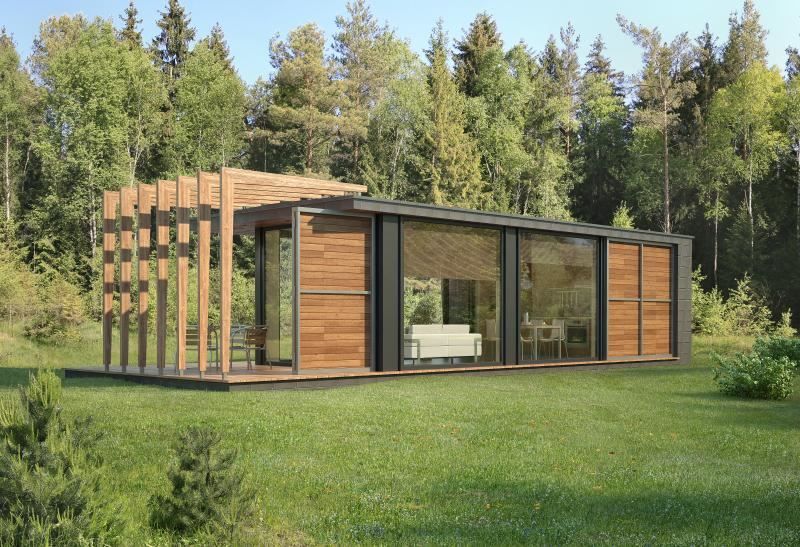
Introduction to Bavet prefabricated houses
Concept of Bavet prefabricated houses
Bavet prefabricated houses are a type of prefabricated house specifically designed and built to suit the conditions and needs of Bavet city, an important border gate city located on the Cambodia-Vietnam border. Bavet prefabricated houses inherit the common characteristics of prefabricated houses, such as the use of factory-made components and on-site assembly. However, Bavet prefabricated houses have some unique features to suit local conditions. For example, they are often designed to withstand the tropical weather conditions of the region, with roofs that have a suitable slope to effectively drain rainwater during the rainy season. In addition, Bavet prefabricated houses are often designed with open and airy spaces to suit the hot and humid climate of the region. In the context of Bavet, a rapidly developing city with many industrial parks and casinos, prefabricated houses are becoming a popular solution to meet the rapidly increasing demand for housing and infrastructure. They are used for a variety of purposes, from worker housing to temporary offices and even business premises.
The role of Bavet prefabricated houses in local economic development
Prefabricated houses play an important role in the economic development of Bavet. First, they provide a quick and efficient housing solution to meet the rapidly growing housing demand due to the development of industrial zones in the area. Second, Bavet prefabricated houses contribute to the rapid development of infrastructure. With the ability to build quickly, prefabricated houses allow for the rapid establishment of business premises, offices and even temporary medical and educational facilities. Bavet prefabricated houses also play an important role in attracting investment. The ability to quickly provide infrastructure and housing for new investment projects is a significant advantage for Bavet in competing to attract foreign investors. In addition, the prefabricated house industry in Bavet also creates many job opportunities for local people, from manufacturing components at the factory to assembly and maintenance at the construction site. Finally, in the context of Bavet as a border city, prefabricated houses provide flexible solutions for businesses and services related to import-export activities and cross-border tourism.
Why choose Bavet prefabricated houses
Market conditions and construction trends in Bavet
Bavet, with its strategic location as a gateway connecting Cambodia and Vietnam, is undergoing rapid development, creating a favorable environment for the development of prefabricated houses. Firstly, the development of industrial zones in Bavet has created a great demand for housing for workers and infrastructure. Prefabricated houses, with their ability to be built quickly and at reasonable costs, are the ideal solution to meet this demand. Secondly, the thriving tourism and casino services in Bavet have also created a demand for accommodation and entertainment facilities that can be built quickly. Prefabricated houses provide an effective solution for the development of hotels, restaurants and entertainment facilities. In addition, the trend of sustainable development is increasingly emphasized in Bavet. Prefabricated houses, with the ability to use environmentally friendly materials and construction processes that generate less waste, fit this trend. Finally, as a border city, Bavet has a high demand for flexible and rapidly scalable infrastructure to serve cross-border trade activities. Prefabricated houses provide an ideal solution for this need.
Advantages of Bavet prefabricated houses
Bavet prefabricated houses offer many significant advantages, especially suitable for the conditions and needs of the city. The first is the fast construction speed. In the context of Bavet’s rapid development, the ability of prefabricated houses to be built quickly is a great advantage. Second, Bavet prefabricated houses often have lower construction costs than traditional houses. This is especially important when providing affordable housing for workers in industrial zones. Bavet prefabricated houses also offer great flexibility. They can be easily expanded, reduced or moved, adapting to the rapidly changing needs of a growing city like Bavet. 
Cambodia and Bavet prefabricated house construction process
Implementation steps
- Planning and design: The process begins with detailed planning and design of the prefabricated house to suit specific needs and local conditions.
- Manufacture of components: The components of the prefabricated house are manufactured in a factory under strictly controlled conditions.
- Site preparation: While the components are being manufactured, the construction site is prepared, including pouring the foundation and installing basic systems.
- Transportation: The prefabricated components are transported to the construction site.
- Assembly: The components are assembled on site by a team of experts.
- Finishing: After assembly is complete, finishing work is carried out, including installation of electrical, water and interior decoration systems.
- Inspection and handover: Finally, the prefabricated house is thoroughly inspected before being handed over to the customer.
Technical and legal requirements
The construction of prefabricated houses in Cambodia and Bavet must comply with strict technical and legal requirements:
- Construction standards: Prefabricated houses must meet Cambodian construction standards, including regulations on safety, load-bearing and fire resistance.
- Construction permits: A construction permit is required from the local authorities before starting the project.
- Urban planning: Construction must comply with the urban planning of the area.
- Environmental standards: Environmental protection regulations must be complied with during construction.
- Labor safety: Ensuring the safety of workers during assembly and construction.
- Quality certification: Components Components and materials used in prefabricated houses must have appropriate quality certification.
- Land ownership regulations: Legal land use rights must be secured before construction.
Conclusion
Prefabricated houses are becoming an increasingly popular and effective solution in Cambodia and Bavet, meeting the needs of the region’s rapid development. With many advantages such as fast construction speed, reasonable cost and high flexibility, prefabricated houses are playing an important role in providing housing and infrastructure for Cambodia’s urban and industrial development. In Bavet, a rapidly developing border city, prefabricated houses are particularly suitable for the needs of worker housing, flexible business premises and tourism infrastructure. The development of the prefabricated house industry not only contributes to solving the housing and infrastructure needs, but also creates job opportunities and promotes local economic development. However, to ensure the sustainable development of this industry, due attention must be paid to technical and legal requirements, as well as the application of strict quality and safety standards. With proper management and development, prefabricated houses can continue to play an important role in the urban and economic development of Cambodia and Bavet in the years to come.
Geta group:
Website: cuonggeta.com Fb: Tay Ninh 24h Repair Service Zalo: 0919.511.911 Tele: @cuonggeta2


